Office cleaning services for Battersea shops and cafes
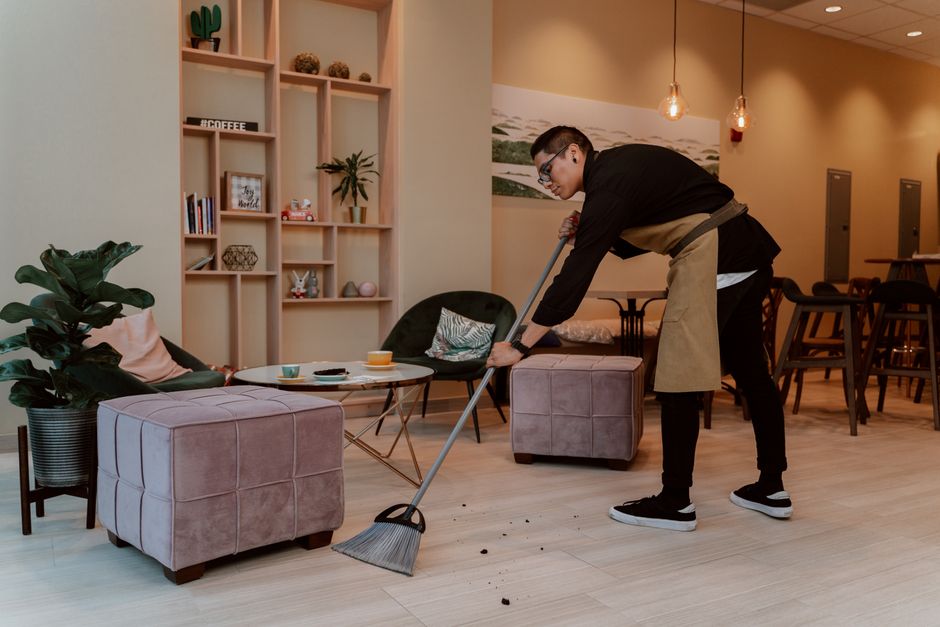
If you run a shop or cafe in Battersea, you already know the place can look spotless at 9 a.m. and tired by lunchtime. Foot traffic, deliveries, spilt coffee, sticky counters, dusty corners, and the odd rainy-day footprint all add up fast. That is where Office cleaning services for Battersea shops and cafes come in: not as a luxury, but as part of keeping the business presentable, safe, and comfortable for staff and customers.
This guide breaks down what commercial cleaning for Battersea retail and hospitality spaces actually involves, how it works, what to ask for, and how to avoid the usual headaches. You will also find a simple checklist, comparison table, and practical tips for choosing a service that fits a busy local business rather than a generic office block somewhere miles away.
Practical takeaway: a good cleaning plan does more than make a place look nice. It helps protect your reputation, reduce day-to-day stress, and keep small problems from turning into expensive ones.
- Why it matters
- How it works
- Key benefits and practical advantages
- Who needs this and when it makes sense
- Step-by-step guidance
- Expert tips for better results
- Common mistakes to avoid
- Tools, resources and recommendations
- Law, compliance, standards, or best practice
- Options and comparison table
- Case study or real-world example
- Practical checklist
- Conclusion
- Frequently asked questions
Why Office cleaning services for Battersea shops and cafes Matters
Battersea has a mix of local regulars, commuters, weekend browsers, and people heading in and out of nearby commercial streets. That means first impressions matter a lot. A clean entrance, tidy floor, polished glass, and fresh-smelling customer area quietly tell people, "this business cares." A dusty counter or a grimy toilet tells the opposite, even if your coffee is excellent. Harsh, but true.
For shops and cafes, cleaning is not only about appearance. It also affects hygiene, staff wellbeing, operational flow, and how smoothly you can open each day. A small amount of grease near a service area, a damp patch by the door, or food residue under equipment can create bigger issues if they are ignored. In a busy Battersea unit, those little things build up fast.
There is also the local reality of mixed use. Many premises are compact, and some are squeezed between high footfall streets, residential buildings, and delivery pressure. That creates a cleaning challenge that is a bit different from a standard office. You need regular attention, but you also need flexibility. To be fair, that is what most independent businesses want anyway: reliable, quiet, and unobtrusive support that works around opening hours.
Another reason this matters is brand consistency. A cafe may rely on atmosphere as much as menu quality. A shop may depend on display quality and the way customers move through the space. Clean windows, spotless shelving, and well-kept toilets can influence whether people stay longer, return, or recommend you. It is not glamorous. It just works.
How Office cleaning services for Battersea shops and cafes Works
Commercial cleaning for shops and cafes usually starts with a site discussion. The cleaner or company should look at the layout, surfaces, opening hours, customer flow, and any problem areas. A one-size-fits-all checklist rarely does the job properly. A coffee bar with a tight prep space and a boutique with changing rooms have very different needs, obviously.
From there, the service is usually shaped into a recurring schedule or a one-off deep clean. Some premises need a daily clean before opening or after close. Others need two or three visits a week, plus occasional deep cleaning for floors, upholstery, glass, or food-contact areas. If the business has a staff room or small office, those areas may be folded into the plan too.
In practice, the work may include:
- dusting and wiping customer-facing surfaces
- sanitising high-touch points such as handles, payment areas, and counters
- vacuuming or mopping floors
- cleaning toilets and wash areas
- spot-cleaning walls, glass, and mirrors
- clearing bins and replacing liners
- kitchen and prep-area cleaning where agreed
- window and frontage cleaning where needed
The best services are clear about what is included and what is not. That sounds basic, but in the real world it saves arguments later. If you need specialist work such as carpet cleaning or hard-floor care, it is sensible to ask whether that is part of the regular visit or charged separately. Better to know upfront than have a surprise invoice land on your desk later. Nobody enjoys that.
For many Battersea businesses, scheduling is the quiet hero. Early morning cleans can help before the first customer arrives. Late-night or post-close cleans can avoid disruption. Some sites even combine regular cleaning with occasional deep cleaning so the place gets both day-to-day upkeep and a more detailed reset when needed.
Key Benefits and Practical Advantages
A well-run cleaning service does much more than make things look tidy. It supports the actual running of the business in ways that become obvious only when something goes wrong. Here are the main benefits, with the real-world stuff included.
1. Better customer experience
People notice clean floors, fresh tables, streak-free glass, and tidy corners. They also notice fingerprints, crumbs, and sticky patches. In a cafe, the difference between "nice place" and "we should go somewhere else" can be surprisingly small. A well-maintained shop or cafe feels calmer, more credible, and more welcoming.
2. Cleaner staff environment
Staff work better in a space that is not cluttered with dust, spills, or leftover mess from the previous day. Less irritation, fewer slip hazards, and a generally better mood. Not magic. Just a decent environment.
3. Reduced wear and tear
Regular cleaning helps surfaces, flooring, fixtures, and furnishings last longer. Dirt, grease, and moisture are sneaky. Left alone, they can mark or damage materials and make everyday maintenance more expensive than it needs to be.
4. More consistent opening standards
If your business opens to the public each morning, a reliable cleaning routine gives you a repeatable standard. That consistency matters when different team members are working, or when you are managing several tasks at once. One less thing to worry about. Which, frankly, is a gift.
5. Better reputation management
In a busy area like Battersea, word travels quickly. A clean window display, fresh entrance, and pleasant-smelling interior help create the kind of impression people mention positively. It is one of those small details that supports the bigger brand story.
| Area of impact | What good cleaning improves | Why it matters for Battersea shops and cafes |
|---|---|---|
| Customer-facing areas | Appearance, comfort, trust | Footfall and repeat visits depend on first impressions |
| Operational areas | Hygiene, flow, safety | Busy service spaces need fast, reliable upkeep |
| Fixtures and finishes | Longevity, condition, appearance | Regular care can delay costly repairs or replacements |
| Team environment | Morale, efficiency, focus | Staff work better in a clean and organised setting |
Who This Is For and When It Makes Sense
This kind of service is a strong fit for independent cafes, coffee bars, bakeries, corner shops, delicatessens, boutique retailers, salons with reception areas, and mixed-use premises that include a public-facing front plus a back-of-house workspace. If your space has customers coming through the door most days, you probably need more than a quick wipe and a hopeful glance around before opening.
It makes particular sense when:
- you have regular foot traffic and frequent spills
- your team is busy serving customers and cannot clean properly during service
- you want a better standard than ad hoc tidying can provide
- you are preparing for inspection, event trading, or seasonal demand
- you have had recurring issues with floors, toilets, glass, or food prep areas
- you need cleaning outside opening hours to avoid disruption
It is also useful if your business is growing and the old "everyone helps out" system is starting to creak. That setup can work for a while. Then suddenly it does not. One day the shelves are dusty, the bin area is questionable, and nobody remembers who was meant to mop behind the counter. Happens more often than people admit.
If your premises also include office desks, stock records, or a small admin area, a broader commercial arrangement may suit you better than treating these spaces separately. A service such as commercial cleaning can be a sensible fit when the business has mixed needs and wants one reliable plan rather than several disconnected ones.
Step-by-Step Guidance
If you are setting up cleaning for the first time, or tightening up an existing arrangement, this simple process helps keep things practical.
- Walk through the premises honestly. Look at it at different times of day if you can. Morning light shows dust. Late afternoon shows footprints and smudges. Kitchens and toilets reveal different problems again.
- List the priority areas. Front entrance, customer seating, counter, till area, display shelving, toilets, prep zones, staff room, and any office corner. Be specific.
- Separate daily, weekly, and occasional tasks. Daily might be bins, toilets, floors, and counters. Weekly could include skirting, shelves, and internal glass. Monthly or periodic work might include deep floor treatment or window work.
- Decide when the clean should happen. Before opening, after closing, or during quieter hours? The answer depends on your trading pattern and how much noise or disruption you can tolerate.
- Ask for a written scope. Even a simple one helps. It should say what is cleaned, how often, and any exclusions.
- Check insurance and safety arrangements. You want to know the team is insured and that they understand site access, hazards, and equipment use.
- Review after the first few visits. Good cleaning should become easier to manage over time, not harder. If a zone keeps getting missed, say so early.
A useful rule of thumb: build the plan around how the space is used, not how it looks in a brochure. Cafes generate crumbs, steam, sticky surfaces, and a lot of touch points. Shops deal more with dust, glass marks, floor debris, and display upkeep. Similar enough to share a few methods, different enough to need separate attention.
Expert Tips for Better Results
After years of seeing commercial premises run well and badly, one thing stands out: the best cleaning arrangements are specific. Not elaborate, just specific.
Be clear about the "must not miss" areas
Every business has one or two pain points that matter more than the rest. A cafe might need the front door glass and toilets perfect. A boutique might care most about the entrance mat, mirrors, and fitting rooms. Tell your cleaner which areas customers actually notice first.
Use the right method for the surface
Hard floors, polished tiles, laminate, carpet tiles, painted walls, stainless steel, and glass all behave differently. A cleaner who understands this will protect the finish as well as the appearance. If your floors need specialist care, hard floor cleaning can be worth considering for a better result and less long-term damage.
Do not ignore small daily messes
A tiny coffee spill near the till can become a sticky patch that collects dust all day. A few crumbs under a chair can turn into a line of grime. Small things, repeated, add up. That is where regular cleaning quietly pays off.
Match the clean to your trading rhythm
If your peak hours are in the morning, your clean may be better in the evening. If you close late and reopen early, you may need a tighter turn-round. There is no perfect universal schedule. There is only what works for your premises.
Ask for occasional deeper refreshes
Even the best regular schedule needs a stronger reset now and then. Upholstery, carpets, grout lines, kitchen corners, and window frames are easy to forget. A periodic one-off cleaning visit can catch the bits that daily maintenance simply cannot reach.
One small but important tip: keep a short internal note of recurring issues. If the same floor patch, toilet sink, or glass panel keeps needing attention, that is useful information, not nagging. It helps the service improve. Simple as that.
Common Mistakes to Avoid
Most cleaning problems are not dramatic. They are just the result of vague expectations, rushed communication, or trying to save money in the wrong place. A few common missteps show up again and again.
- Choosing on price alone. Cheap can be fine, but only if the scope is clear and the results are reliable. If a quote looks suspiciously light, ask what is excluded.
- Not defining priority areas. If nobody says what matters most, cleaners may focus on the wrong parts of the site.
- Mixing responsibilities without a plan. If staff and cleaners both assume someone else is doing the toilets, the toilets will eventually be the problem. Nature finds a way.
- Skipping regular reviews. Needs change. New menus, new displays, busier periods, or different opening hours all affect the clean.
- Ignoring specialist surfaces. Glass, carpets, upholstery, and floors need different treatment. A one-method approach is rarely enough.
- Forgetting access details. Alarm codes, keys, bin locations, and storage points should be agreed in advance.
Another easy mistake is assuming that "clean" means the same thing to everyone. It does not. To one person, the place looks fine. To another, a streaked mirror or a slightly sour bin area is enough to spoil the impression. That is why standards should be defined in ordinary language, not left to guesswork.
Tools, Resources and Recommendations
You do not need a warehouse of products to keep a Battersea shop or cafe in good shape. What you do need is the right mix of routine, equipment, and plain common sense.
Useful tools and resources often include:
- microfibre cloths for dusting and surface wiping
- colour-coded cleaning materials to help separate areas and reduce cross-contamination risk
- appropriate floor mops and vacuum equipment
- glass and mirror cleaning tools for storefront presentation
- bin liners, sanitiser, and toilet supplies
- checklists for opening, closing, and weekly resets
For businesses that want to keep waste handling and product choices more responsible, a service aligned with recycling and sustainability can be a sensible option. That may include better waste sorting, smarter product use, and less unnecessary packaging.
It can also help to keep a small, laminated cleaning brief in the back room. Nothing fancy. Just a practical note of priorities, access points, and any surfaces that need extra care. The sort of thing you can hand to a new team member without a long speech at 7:45 a.m., which is when nobody really wants a long speech anyway.
Law, Compliance, Standards, or Best Practice
For shops and cafes in the UK, cleaning arrangements should support general duties around workplace safety, hygiene, and staff wellbeing. Exact legal obligations depend on the premises, activities, and how the business operates, so it is wise to treat compliance as a practical part of operations rather than a box-ticking exercise.
In plain English, that usually means:
- keeping floors and walkways reasonably free from slip hazards
- maintaining hygienic customer and staff areas
- using cleaning products and processes appropriately
- making sure cleaning staff understand any site-specific risks
- keeping access, storage, and waste handling organised
Best practice also includes clear communication about insurance, site safety, and any special requirements such as food-contact areas, fragile surfaces, or restricted access. If your premises have a mix of customer space, storage, and staff-only areas, a provider should understand how to move safely between them and adapt their work accordingly.
It is sensible to ask whether the team follows a health and safety policy and whether there is a practical procedure for incidents, complaints, or access issues. Documents do not clean your premises on their own, of course, but they do show that the service is run with proper care. If you want to see the company's approach, pages such as health and safety policy, insurance and safety, and complaints procedure can be useful references.
For pricing and payment clarity, it is also worth checking published information before you commit. Transparent costs and secure payment handling are a good sign that the service is organised and easy to deal with.
Options, Methods, or Comparison Table
There is no single best cleaning setup for every Battersea shop or cafe. The right choice depends on opening hours, footfall, surface types, and whether the business leans more toward retail, food service, or a hybrid of both.
| Method | Best for | Strengths | Possible drawback |
|---|---|---|---|
| Daily regular cleaning | Busy cafes, high-footfall shops | Keeps standards steady and visible | Needs a clear scope to avoid gaps |
| Weekly commercial cleaning | Lower-volume premises or support areas | Useful for maintenance and tidiness | May not be enough for food-heavy environments |
| One-off or periodic deep clean | Resetting problem areas, seasonal refresh | Good for neglected corners and detailed work | Not a substitute for routine upkeep |
| Specialist surface cleaning | Carpets, floors, upholstery, windows | Improves appearance and extends lifespan | Often needs separate scheduling |
For some businesses, a mix works best: regular cleaning for daily control, plus periodic specialist care for harder-to-maintain areas. For example, a small cafe might use routine service for counters and toilets, then book commercial carpet cleaning or window cleaning at intervals to keep the overall finish sharp.
Case Study or Real-World Example
Imagine a small Battersea cafe with 20 indoor covers, takeaway trade, and a narrow front entrance that catches rainwater on wet mornings. Staff are busy making drinks, serving pastries, and clearing tables. By the end of the day, the floor near the door is marked, the toilets need attention, and the glass frontage has fingerprints from countless customers pushing it open.
At first, the team tries to handle everything in-house. It works for a while, sort of. But the closing shift becomes slower, the opening routine starts slipping, and the front of house never quite looks the way the owners want it to. They then switch to a structured cleaning plan: daily attention to the customer area and toilets, weekly detail work on skirting and touch points, and periodic deeper work on floors and windows.
The practical result is not glamorous, but it is effective. Staff feel less rushed at closing, the opening shift starts cleaner, and the team spends less time improvising. The cafe still gets busy, still has the usual morning rush, but the standards hold. That is the point. Not perfection. Consistency.
A similar pattern can happen in a small retailer. The front may look tidy, while stockroom dust, fitting-room touch points, and dusty shelves slowly undermine the impression customers get. Once a proper routine is in place, the business feels more under control. You notice it when you walk in. The air feels fresher, the floor looks cared for, and the place just works a bit better.
Practical Checklist
Use this checklist if you are reviewing or setting up a cleaning arrangement for a Battersea shop or cafe.
- Have you identified the busiest customer-facing areas?
- Are toilets, entrances, counters, and floors included in the plan?
- Do you know whether cleaning happens before opening, after closing, or both?
- Is there a written list of daily, weekly, and occasional tasks?
- Have you confirmed what is included and excluded?
- Are specialist needs covered, such as windows, carpets, or hard floors?
- Has site access, keys, alarms, and storage been arranged?
- Do you know who to contact if there is a problem or missed area?
- Are health and safety expectations clear?
- Have you checked for insurance, payment terms, and complaint handling?
- Is the schedule realistic for your trading hours?
- Will the service be reviewed after the first few visits?
If you can tick most of those off, you are in decent shape. If not, that is fine too. Better to spot the gaps now than after a busy Saturday shift leaves everyone grumbling at the end of the day.
For businesses wanting to compare service levels or get a clearer sense of what may fit, a published pricing page such as pricing and quotes can be a helpful starting point.
Conclusion
Office cleaning services for Battersea shops and cafes are really about making busy, public-facing spaces easier to run well. Clean premises help with customer impressions, staff comfort, hygiene, and the overall rhythm of the business. The best setup is rarely the flashiest one. It is the one that fits your opening hours, your layout, and the way people actually use the space.
For Battersea businesses, that usually means a practical mix of regular upkeep, occasional deeper work, and clear communication about what matters most. Keep the plan specific, review it often, and do not be shy about saying when something needs adjusting. A good cleaning arrangement should make life simpler, not noisier.
Get a free quote today and see how much you can save.
And if you are weighing up how to improve day-to-day standards without adding more pressure on your team, take the next step while the details are fresh. A well-kept space has a way of lifting the whole business, quietly but unmistakably.
Frequently Asked Questions
What do office cleaning services for Battersea shops and cafes usually include?
They usually include floor care, dusting, bin emptying, touch-point sanitising, toilet cleaning, surface wiping, and general tidying of customer-facing and staff areas. Exact tasks depend on the site and schedule.
How often should a shop or cafe be cleaned?
Busy cafes and high-footfall shops often need daily cleaning, while some smaller premises can manage with a few visits a week plus periodic deeper cleans. The right frequency depends on trading hours, foot traffic, and how quickly mess builds up.
Can the cleaning be done before opening or after closing?
Yes, and for many Battersea businesses that is the easiest option. Out-of-hours cleaning reduces disruption and helps the space be ready for customers or staff at the start of the day.
Is office cleaning different from cleaning a cafe or retail shop?
Yes. A shop or cafe usually needs more attention to customer-facing areas, floors, toilets, and high-touch points. Food service spaces may also need more careful hygiene routines than a standard office.
Do I need a deep clean as well as regular cleaning?
Often, yes. Regular cleaning keeps standards steady, but deep cleaning helps with areas that build up dirt over time, such as grout, corners, upholstery, and harder-to-reach surfaces. It is a useful reset.
How do I know what tasks to ask for?
Walk through the premises and note the areas customers notice first, the places that get dirty fastest, and any surfaces that need special care. If you can explain the business in real terms, the cleaning plan can usually be shaped properly.
What should I check before hiring a cleaning company?
Look at the scope of work, insurance, health and safety arrangements, payment terms, communication process, and whether the company has experience with commercial premises like yours. Clear answers early on save time later.
Can cleaning services handle carpets, windows, and hard floors too?
Many can, but those tasks may be separate from standard daily cleaning. It is worth asking whether specialist services such as carpet care, window cleaning, or hard floor treatment are available and how they are priced.
What if my business has both customer space and a small office?
That is common in Battersea. A good service can often cover both, as long as the scope is clear. Mixed-use premises usually benefit from one coordinated plan rather than several separate arrangements.
How do I avoid paying for cleaning that does not actually solve the problem?
Be specific about what success looks like. For example, better toilets, cleaner floors, sharper windows, or fewer missed spots. Then review results after a few visits and adjust the plan if needed. Simple feedback can make a big difference.
Are sustainability and waste handling worth considering?
Yes, especially for customer-facing businesses that want cleaner operations as well as cleaner premises. Better waste sorting, sensible product use, and a thoughtful recycling approach can support the wider business image too.
What is the best next step if I want to compare options?
Start with a site review, list the priorities, and check a provider's service details, safety information, and pricing structure. If you want a straightforward starting point, the relevant pages on the website can help you understand what is available before you decide.