Health and Safety Policy for Cleaners Battersea
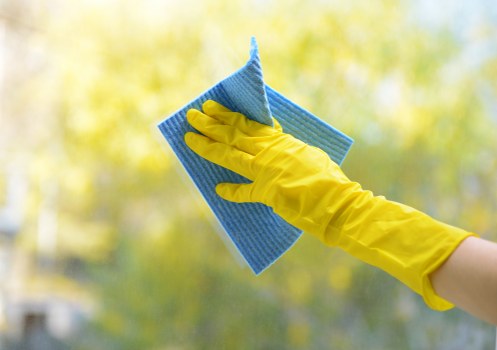 Our health and safety policy for cleaners in Battersea sets out the standards and responsibilities that help create a safe, organised, and professional working environment. Whether providing domestic cleaning, office cleaning, or specialist support, every cleaner Battersea team member is expected to work with care, follow safe methods, and protect themselves, clients, and the public from avoidable harm.
Safety is a core part of quality service. A well-managed cleaning operation depends on preparation, awareness, and consistent routines. Cleaners Battersea should always carry out tasks in a way that reduces risks, from handling equipment correctly to using approved products as intended. This approach supports reliable results while maintaining a safe workplace.
All staff must understand that health and safety is not separate from cleaning performance; it is part of it. The duty of each Battersea cleaner includes identifying hazards, reporting concerns promptly, and working within agreed procedures. By maintaining these standards, cleaning services can protect wellbeing while delivering dependable outcomes.
Before starting work, every cleaning task should be assessed for possible hazards. These may include slippery floors, electrical equipment, sharp objects, manual handling, or exposure to chemicals. A responsible cleaners Battersea provider should ensure that risks are reduced through planning, suitable equipment, and clear instructions. Work areas should be checked before and during cleaning so hazards can be dealt with quickly.
Personal protective equipment, or PPE, must be used where required. Gloves, aprons, masks, and non-slip footwear may all be necessary depending on the task. A professional cleaner Battersea should be trained to select the right equipment and understand when it is needed. PPE should be kept clean, replaced when worn, and stored properly after use.
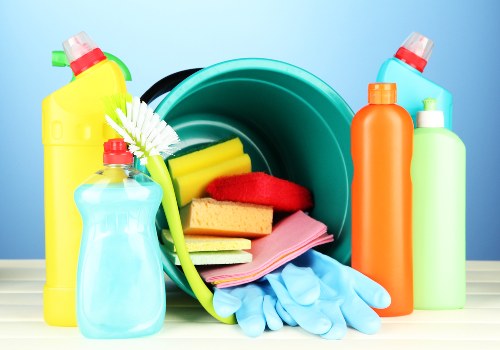
Cleaning materials must be handled with care. All products should be labelled clearly and stored securely, away from children, pets, and unauthorised access. It is important to avoid mixing chemicals unless instructions specifically allow it, as dangerous reactions may occur. For cleaners in Battersea, safe product use includes reading labels, following dilution guidance, and ensuring ventilation when working with stronger substances.
 Manual handling is another important area of focus. Lifting equipment, moving furniture, or carrying supplies can lead to injury if done incorrectly. Cleaners Battersea should be trained in safe lifting techniques, including bending at the knees, keeping loads close to the body, and asking for assistance with heavy items. Where possible, trolleys or other aids should be used to reduce strain.
Slips, trips, and falls are among the most common workplace hazards, so prevention must be constant. Floors should be marked when wet, cords should be kept tidy, and clutter should be removed from walkways. A careful Battersea cleaner will work methodically to avoid creating new hazards while cleaning. This means using signs where appropriate, drying surfaces thoroughly, and maintaining clear access routes.
Electrical safety must also be taken seriously. Appliances, plugs, and leads should be checked before use, and damaged equipment must be reported and taken out of service immediately. Cleaners Battersea should never use faulty machines or overload sockets. When working around electricity, water and cleaning solutions should be kept away from live equipment whenever possible.
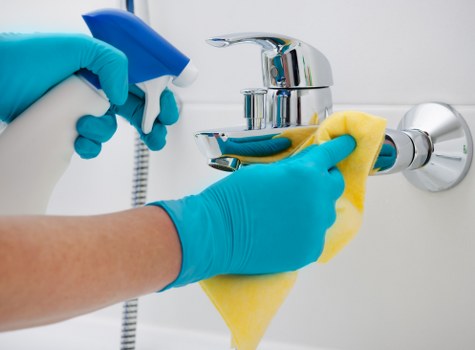
Hygiene and infection control are essential within any cleaning service. Cloths, mops, and other tools should be cleaned, disinfected, or replaced according to the task they are used for. Colour-coded systems may be used to prevent cross-contamination between areas such as kitchens, bathrooms, and general spaces. A professional cleaners Battersea team should always follow the correct sequence of cleaning to support sanitary conditions.
 Waste must be collected and disposed of safely. Different types of waste may require separate handling, including general rubbish, recyclable items, and hazardous materials where applicable. Bags should not be overfilled, and sharp items should be contained in a suitable manner. Cleaners Battersea should ensure waste is removed without exposing staff or occupants to unnecessary risk.
Fire safety awareness is also part of this policy. Fire exits must remain clear, flammable materials should be stored responsibly, and cleaner Battersea staff should know the correct action to take if an alarm sounds. Any equipment that could create heat or sparks must be used carefully and never left unattended if it presents a risk.
Training and supervision are vital to maintaining safe practice. New cleaners should receive instruction on equipment use, product handling, emergency procedures, and reporting concerns. Ongoing refresher training helps reinforce good habits and ensures that Battersea cleaners remain up to date with safe working methods. Supervisors should monitor standards and address unsafe behaviour promptly.
 Accident and incident reporting must be straightforward and immediate. Any injury, near miss, spill, equipment failure, or unsafe condition should be recorded and reviewed. This helps prevent repetition and supports continuous improvement. Cleaners Battersea should know who to inform and what details to provide, including what happened, where it happened, and what action was taken.
Emergency readiness is an important part of a robust health and safety policy. Staff should know how to respond to fire, accidents, exposure to chemicals, and other urgent situations. First aid supplies should be available where required, and cleaners should understand the limits of their responsibilities so they can seek help quickly when needed.
Communication supports safe working across all cleaning tasks. Clear instructions, hazard notices, and job-specific notes help reduce confusion and improve consistency. A reliable cleaning policy for Battersea cleaners should encourage staff to speak up about concerns and to confirm when conditions change. This ensures that work can continue safely and efficiently.
 Regular review of procedures helps keep the policy effective. As equipment, products, and working environments change, the rules and controls should be updated to match. A thoughtful cleaner Battersea service will treat health and safety as an ongoing responsibility rather than a one-time requirement. This commitment supports staff wellbeing, client confidence, and professional standards.
In summary, this health and safety policy for cleaners Battersea is designed to promote safe routines, prevent accidents, and maintain high standards across every site. By combining training, awareness, correct equipment, and responsible behaviour, cleaners in Battersea can carry out their work confidently and safely while protecting everyone involved.