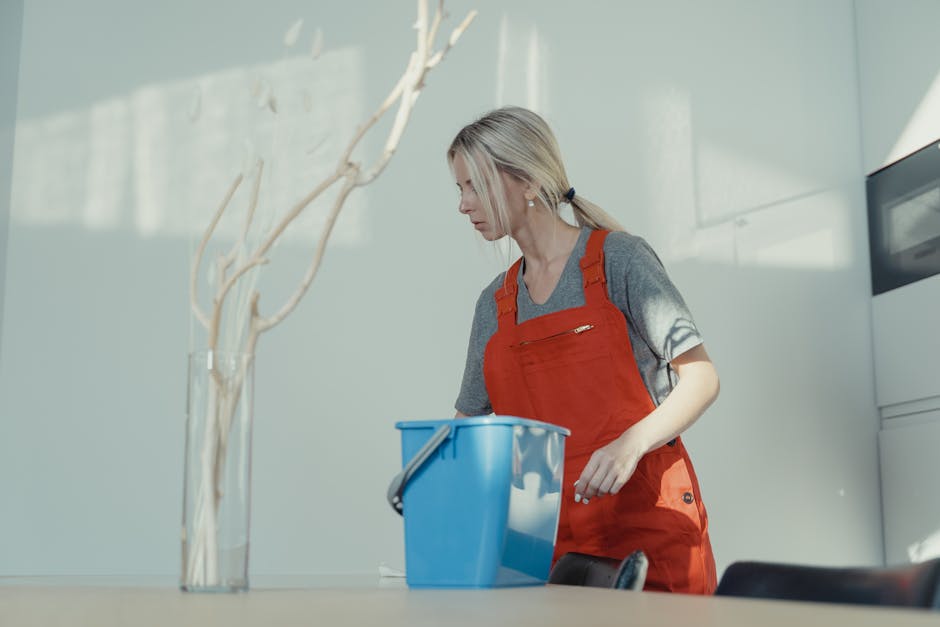
House cleaning costs in Battersea SW11 explained
If you have ever looked at house cleaning prices and thought, "Why does one quote feel reasonable and another feel wildly off?", you are not alone. House cleaning costs in Battersea SW11 explained properly can save you time, money, and a fair bit of head-scratching. In a busy part of South West London like Battersea, where flats, terraces, converted homes, and modern developments all come with slightly different needs, the final price is rarely just about the hours on the clock.
This guide breaks everything down in clear, practical terms. We will look at what drives price, how cleaners usually quote, what you should expect for different types of jobs, and how to compare options without getting caught out by vague estimates. A good quote should make sense once you understand the moving parts. Truth be told, it often does.
Table of Contents
- Why House cleaning costs in Battersea SW11 explained Matters
- How House cleaning costs in Battersea SW11 explained Works
- Key Benefits and Practical Advantages
- Who This Is For and When It Makes Sense
- Step-by-Step Guidance
- Expert Tips for Better Results
- Common Mistakes to Avoid
- Tools, Resources and Recommendations
- Law, Compliance, Standards, or Best Practice
- Options, Methods, or Comparison Table
- Case Study or Real-World Example
- Practical Checklist
- Conclusion
- Frequently Asked Questions
Why House cleaning costs in Battersea SW11 explained Matters
Cleaning looks simple from the outside. A mop, a vacuum, a few cloths, done. But pricing a home clean is more nuanced than that, especially in Battersea SW11 where properties vary a lot from street to street. A one-bedroom flat near Clapham Junction is not the same job as a family house with stairs, pets, and a kitchen that sees heavy daily use.
Understanding the cost matters for three big reasons. First, it helps you compare cleaners fairly. Second, it prevents awkward surprises when a quote changes after someone sees the property. Third, it helps you decide whether you need a one-off clean, regular housekeeping, a deep clean, or something more specialised. That choice affects the result and the price.
And let's face it, nobody likes paying for uncertainty. If you know what usually sits behind the number, you are in a much better position to choose well. Not cheaper at any cost. Just smarter.
In practice, local cleaning prices are shaped by the type of home, the condition of the rooms, access, parking, requested extras, and how often the service is needed. Battersea can also be a bit of a logistics puzzle: some buildings are easy to access, others involve tight stairwells, coded entry systems, or limited parking. Small things, but they matter.
How House cleaning costs in Battersea SW11 explained Works
Most domestic cleaners in London use one of a few pricing methods. Some charge by the hour. Some charge a fixed rate based on the size and condition of the property. Others use a blended approach, where they estimate time but confirm a price after a quick walkthrough or photos.
Hourly pricing is simple on paper: you pay for the time worked. It suits routine cleaning where the task list is predictable. Fixed pricing is often preferred for deep cleans or end-of-tenancy work because the scope is clearer. Either way, the quote normally reflects the same core factors.
What usually affects the price
- Property size: more bedrooms, bathrooms, and floors usually mean more time.
- Condition: light upkeep costs less than heavy build-up, limescale, or grease.
- Frequency: regular weekly or fortnightly cleaning is usually easier and more efficient than a one-off.
- Tasks included: oven cleaning, inside windows, laundry, and ironing may be extra.
- Access and logistics: stairs, parking, entry restrictions, and keys can all add time.
- Supplies: some cleaners bring their own products; others expect the client to provide them.
A clean, lived-in two-bedroom flat may take less time than a smaller but heavily neglected property. That surprises people sometimes. The size of the home is only part of the story. A compact kitchen with baked-on residue can be more demanding than a larger, tidy open-plan space.
In Battersea, a standard domestic clean often starts with a conversation about the rooms, the level of detail expected, and whether you want a surface tidy or a proper top-to-bottom reset. That conversation is where the pricing becomes fair. Before that, it is just guesswork.
Hourly vs fixed price
Hourly rates are useful when you want flexibility. Fixed pricing is helpful when you want certainty. Here is the simple trade-off: hourly gives you openness, fixed gives you predictability. Both can be good, but they suit different jobs.
| Pricing method | Best for | Pros | Watch out for |
|---|---|---|---|
| Hourly rate | Regular cleaning, flexible tasks, changing priorities | Easy to adjust, transparent time-based billing | Cost can rise if the job takes longer than expected |
| Fixed price | Deep cleans, move-out cleans, clearly defined jobs | Greater certainty, easier budgeting | Scope must be defined carefully to avoid disputes |
| Assessment-based quote | Properties with unusual access or complex requirements | More tailored, usually more accurate | Needs good communication and accurate property details |
If you are comparing quotes, make sure you are comparing like with like. A lower price that excludes bathrooms, inside appliances, or staircase cleaning is not really the same service. It sounds obvious, but people get caught by this all the time.
Key Benefits and Practical Advantages
Getting the cost right is about more than saving a few pounds. It helps you protect your time, keep your home easier to manage, and choose a service that genuinely fits your household.
- Better budgeting: you can plan monthly household spending with fewer surprises.
- Cleaner results: the right service level usually means better outcomes, not just a quicker visit.
- Less stress: knowing what is included reduces the back-and-forth.
- More suitable scheduling: you can match the clean to your routine, whether that is weekly upkeep or a one-off reset.
- Fewer misunderstandings: clear pricing helps avoid awkward conversations later.
There is also a practical side that people often overlook. When your cleaner understands the job properly, they can work more efficiently. That usually shows in the final result. A rushed or poorly scoped clean can leave behind the exact places you cared about most: skirting boards, taps, appliance fronts, shower glass, those little spots that catch the light in the evening.
Expert summary: the best value is rarely the lowest headline price. It is the quote that matches your home, your expectations, and the actual time needed to do the job properly.
For regular homeowners, that often means choosing consistency over bargain hunting. For landlords or tenants, it usually means being precise about scope. In either case, clarity pays for itself.
Who This Is For and When It Makes Sense
House cleaning services in Battersea SW11 suit all sorts of households, but the reasons people book them are not always the same. Some want help keeping on top of weekly chores. Others need a deep clean after a renovation, a party, or a long period of neglect. Some are preparing a property for new tenants. Some just need breathing room.
Typical situations where professional cleaning makes sense
- Busy professionals: if your week is packed and cleaning keeps slipping.
- Families: especially when mess seems to multiply before breakfast is even over.
- Tenants moving out: when a thorough clean is needed before handing back the keys.
- Landlords and letting agents: when a property needs a presentable reset between occupancies.
- Older residents or anyone with limited mobility: when regular help makes day-to-day life easier.
- Homeowners recovering from a renovation: plaster dust has a talent for going everywhere.
It also makes sense if you are trying to get a realistic picture of what your home actually needs. Not every property needs a premium deep clean every time. Sometimes a lighter regular service is all that is necessary. Sometimes, though, a one-off clean is the only way to get back to a workable baseline. You know the feeling.
If you are in Battersea and the flat has shared entrances, bin stores, or strict building access times, planning matters a little more. The cleaner needs enough information to work around the building rather than against it. That sounds small. It is not small on the day.
Step-by-Step Guidance
If you want a quote that makes sense and a clean that meets expectations, follow a simple process. It is not complicated, but skipping steps is where problems tend to start.
1. Define the type of clean you need
Start with the basics. Do you need regular housekeeping, a one-off domestic clean, a deep clean, an end-of-tenancy clean, or an after-build clean? Each one is priced differently because the labour and detail level are different.
2. List the rooms and priority tasks
Be clear about which areas matter most. Maybe the bathrooms need a full reset, while the bedrooms just need dusting and vacuuming. Maybe the oven is the priority. Maybe the whole place needs a proper top-to-bottom once-over after a busy month. The more specific you are, the more accurate the quote tends to be.
3. Share accurate property details
Number of bedrooms, bathrooms, floors, pets, parking, and access details all help. Mention if there are very high ceilings, delicate surfaces, lots of glass, or tight staircases. These things affect time and method.
4. Ask what is included
Do not assume. Ask about bins, beds, appliances, internal windows, limescale treatment, and product provision. A good cleaner will usually be happy to spell it out. If they are vague, that is useful information too.
5. Compare more than the price
Look at what each quote includes, how long the job is expected to take, whether supplies are provided, and how flexible the booking is. The cheapest option is not always the best value. Sometimes it is just the smallest number on the page.
6. Confirm the plan before the visit
Before the cleaner arrives, make sure there is agreement on access, parking, timing, and any awkward areas. A five-minute check-in can prevent a lot of frustration later. Honestly, it is one of the easiest ways to make the whole thing smoother.
Expert Tips for Better Results
A few small habits can improve both the result and the value you get from a house clean. These are the things experienced clients tend to learn over time.
- Declutter lightly before the visit: surfaces are quicker to clean when they are not covered in everyday clutter.
- Prioritise the toughest rooms: if your budget is tight, spend it where the improvement will be most visible.
- Use a realistic frequency: regular cleaning often works out better than waiting for everything to become a major job.
- Keep expectations aligned: a standard clean is not the same as a deep clean.
- Ask about products if you have preferences: some households want fragrance-free or pet-friendly options.
One useful rule of thumb: the more consistent your booking pattern, the more predictable your results tend to be. A fortnightly clean usually stays in better shape than a once-in-a-while rescue mission. Not glamorous, but very true.
If you have recently moved into a property in Battersea, especially one that looked tidy on viewing day but has hidden grime in corners and fittings, a first deep clean can reset everything. After that, maintenance becomes much easier. You will notice the difference almost immediately, especially in kitchens and bathrooms where dust and residue show up fast.
And yes, sometimes the smallest win is the nicest one. A sparkling sink at 7 a.m. can genuinely improve the mood of the day. Slightly ridiculous, but there it is.
Common Mistakes to Avoid
Most pricing problems come from poor expectations, not bad intentions. The good news is that they are easy to avoid once you know the usual traps.
- Assuming every quote includes the same tasks: one cleaner's "standard clean" may be another cleaner's "light tidy".
- Giving incomplete property details: this can lead to revised pricing or a shortened service.
- Choosing solely on price: cheap can be fine, but only if the scope is genuinely right.
- Forgetting access issues: locked gates, entry codes, and parking restrictions all affect timing.
- Expecting a deep clean from a standard booking: that mismatch causes disappointment more often than you might think.
- Not asking about cleaning products: especially relevant if you care about specific finishes, allergies, or pets.
A common one in London homes is underestimating how long bathrooms and kitchens take. They look manageable at first glance, then you get to the hob, grout, taps, shower screens, and extractor area. Oof. It adds up fast.
Another mistake is leaving everything until the last minute if you need a move-out clean. A rushed booking gives you fewer options and less room to correct the brief. A bit of planning goes a long way here.
Tools, Resources and Recommendations
You do not need much to keep a cleaner home between visits, but the right basics help. If you want the cleaning service to work efficiently, a few simple tools and habits can make a real difference.
Useful household tools
- A decent vacuum cleaner with attachments
- Microfibre cloths for dust and polishing
- A bathroom spray suited to limescale and soap residue
- A gentle surface cleaner for daily use
- Rubber gloves and a toilet brush kept in good condition
- Storage baskets or trays to reduce surface clutter
Simple recommendations that improve value
- Keep a short written list of your priorities for each visit.
- Take photos of areas that need extra attention if booking remotely.
- Check whether the cleaner brings products or expects yours to be available.
- Make note of any delicate materials, such as untreated wood, natural stone, or specialist finishes.
For renters, it also helps to keep your own records of the property's condition before and after a clean, especially near move-out time. Nothing dramatic, just sensible housekeeping. If there is ever a discussion later, you will be glad you did.
For homeowners, the best resource is often a repeatable routine: tidy daily, reset surfaces weekly, and book deeper cleaning before the property gets away from you. That rhythm keeps costs more stable and jobs more manageable.
Law, Compliance, Standards, or Best Practice
Cleaning services in the UK are not usually about heavy regulation in the way some other trades are, but there are still sensible standards to keep in mind. Professionalism matters. So does safety. And yes, good communication matters too, even if that sounds boring at first.
Best practice usually includes clear pricing, transparent scope, respect for property, safe use of cleaning products, and proper handling of client access details. If a company sends staff into homes, it should also be mindful of insurance, confidentiality, and safe working arrangements. Those are reasonable expectations, not luxuries.
From the homeowner's side, it is wise to be clear about any hazards in the property, such as broken fittings, slippery floors, blocked access, or fragile items. If you have pets, mention them. If you prefer certain products, say so. If you are in a building with strict access rules, spell those out before the visit. Small things, big difference.
For move-out and tenancy cleans, the standard you need may depend on your tenancy agreement or the condition report for the property. Since requirements can vary, it is sensible to check what has been agreed rather than assuming a universal rule. That is the safest way to avoid disputes.
One more practical note: cleaners and clients both benefit from honest communication. If the job has changed, say so. If there is more dirt than expected, say so. If you have a tight deadline, say so. It saves everyone a headache.
Options, Methods, or Comparison Table
Different home cleaning options suit different needs. The right choice depends on how much help you want, how often, and how much detail is needed.
| Service type | Best for | Typical scope | How it affects cost |
|---|---|---|---|
| Regular domestic cleaning | Weekly or fortnightly upkeep | Dusting, vacuuming, bathrooms, kitchen surfaces, general tidying | Usually the most predictable and efficient option |
| Deep cleaning | Homes needing a reset | Detailed attention to build-up, edges, fixtures, and hard-to-reach areas | Higher cost because it takes longer and is more labour-intensive |
| End-of-tenancy cleaning | Move-outs and inventory-ready handovers | Full property clean, often with more detailed kitchen and bathroom work | Often fixed price based on size and condition |
| After-build cleaning | Post-renovation properties | Dust removal, surface wiping, careful treatment of residues | Can be higher due to specialist effort and cleanup complexity |
If you are trying to decide between regular and deep cleaning, ask yourself one simple question: do you want maintenance or recovery? Maintenance is cheaper over time. Recovery is more expensive, but sometimes necessary. There is no shame in either. Homes go through phases, like everything else.
Case Study or Real-World Example
Imagine a two-bedroom flat in Battersea SW11 with one bathroom, an open-plan kitchen, and a busy household of two adults working full-time. The place is generally tidy, but the weekly clean has slipped for a month or two. The kitchen has a bit of grease near the hob, the bathroom glass has built-up marks, and dust has settled on shelves and skirting boards.
A regular clean might handle the basics, but the homeowner decides they want a proper reset first. In that situation, a deep clean is often the better value because it tackles the accumulated issues in one go. After that, weekly or fortnightly maintenance becomes much easier and usually more economical.
Now compare that with a smaller flat that is cleaned every week but needs help mainly with bathrooms and floors. Here, a regular recurring service may make more sense than booking repeated deep cleans. Same postcode, totally different job. That is exactly why blanket pricing advice rarely tells the full story.
In both cases, the smartest move is to define the result you want before talking price. "Make it clean" is too vague. "Bathrooms detailed, kitchen degreased lightly, bedrooms dusted and vacuumed, and floors mopped" is much better. Clear, calm, useful. A bit unexciting, perhaps, but very effective.
Practical Checklist
Use this quick checklist before booking a house clean in Battersea SW11:
- Decide whether you need regular cleaning, a deep clean, or a one-off service.
- Count the rooms, bathrooms, and any extra spaces that need attention.
- List the priority tasks clearly.
- Ask whether cleaning products are included.
- Confirm access details, parking, and timing.
- Check what is not included in the quote.
- Be honest about the current condition of the property.
- Clarify whether pets, stairs, or delicate surfaces may affect the job.
- Compare total value, not just headline price.
- Keep a simple note of what you want improved next time.
If you can tick most of those boxes, you are already ahead of most first-time customers. Really.
Conclusion
House cleaning costs in Battersea SW11 explained properly come down to one core idea: price should reflect the work required, the condition of the property, and the level of detail you actually want. Once you understand those basics, comparing quotes becomes much easier and far less stressful.
The best outcomes usually come from clear expectations, realistic scheduling, and a service matched to the home rather than the other way around. Whether you need a steady weekly clean or a thorough one-off reset, the aim is the same: a home that feels easier to live in, not harder. That part never gets old.
If you are weighing up your options, take your time, ask a few straight questions, and choose the service that feels honest and practical. A good clean should leave you with more space in your day and a calmer home at the end of it. That is the real value, honestly.
Get a free quote today and see how much you can save.
Frequently Asked Questions
How much does house cleaning usually cost in Battersea SW11?
It depends on the size of the property, how often you want cleaning, and how much detail is involved. Regular cleans are usually cheaper than deep cleans, while one-off jobs tend to cost more because they take longer.
Why do quotes vary so much between cleaners?
Different cleaners include different tasks, use different pricing methods, and assess homes differently. One quote may include supplies, internal windows, or extra bathroom detail, while another may not.
Is hourly cleaning or fixed-price cleaning better?
Hourly cleaning works well for regular upkeep and flexible tasks. Fixed pricing is often better for clearly defined jobs like deep cleans or end-of-tenancy cleans, where you want cost certainty.
What details should I give before asking for a quote?
Share the number of bedrooms and bathrooms, the condition of the home, access issues, parking, pets, and any special tasks you want included. The more accurate the information, the better the quote.
Does a larger home always cost more to clean?
Usually, yes, but not always. A smaller property with heavy build-up can take longer than a larger tidy one. Condition matters just as much as size.
Are cleaning products included in the price?
Sometimes yes, sometimes no. It depends on the cleaner or company. Always ask before booking so there is no confusion on the day.
What is the difference between a standard clean and a deep clean?
A standard clean covers routine upkeep like dusting, vacuuming, bathrooms, and kitchen surfaces. A deep clean goes further into built-up dirt, edges, fixtures, and hard-to-reach areas.
How often should I book a cleaner?
That depends on your household and budget. Weekly or fortnightly cleaning helps keep things under control, while occasional one-off cleaning is more suited to occasional resets or larger jobs.
Can I reduce the cost of a house clean?
Yes. Decluttering beforehand, prioritising the most important rooms, and booking regular visits instead of letting the property get heavily untidy can all help keep costs more manageable.
Do Battersea flats with limited parking affect the price?
They can. If access is awkward or parking is difficult, the cleaner may need extra time to manage arrival, equipment, or loading. It is best to mention this upfront.
What should I check before agreeing to an end-of-tenancy clean?
Check the tenancy agreement, the scope of the clean, and whether the property needs extra attention in kitchens, bathrooms, or appliances. A clear list of expectations helps avoid disputes later.
How do I know if a quote is fair?
A fair quote is one that matches the property size, condition, access, and tasks included. If the price seems unusually low, check what has been left out. If it seems high, ask what makes up the difference.